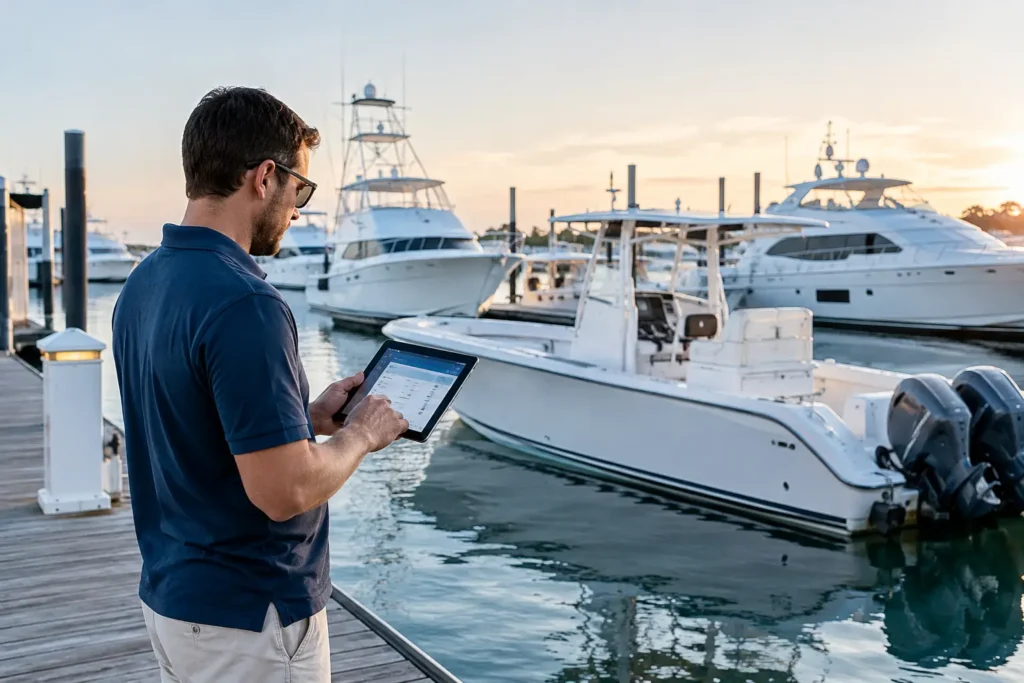
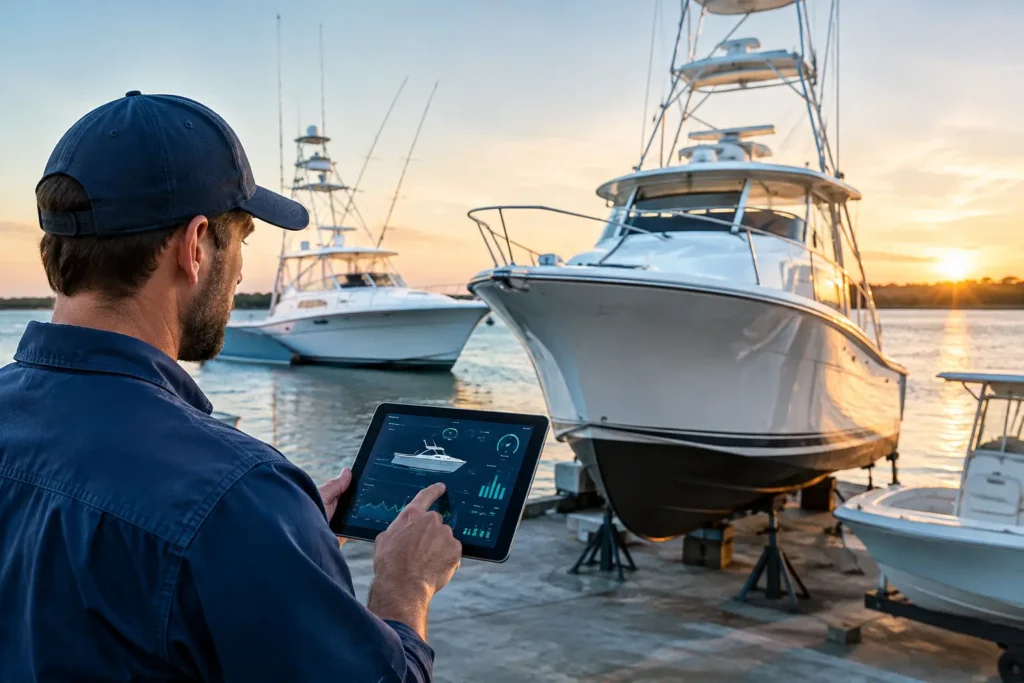
A yacht crew platform review should start in the places where the job actually happens: the engine room, the bridge, the galley, the crew mess, and the dock at 7 a.m. before a guest trip. If a system looks polished in a sales demo but forces crew back to paper, texts, spreadsheets, and memory once underway, it is not solving the real problem.
For captains and senior crew, the right platform is less about adding another dashboard and more about creating one reliable operating picture of the vessel. Maintenance status, watches, inventories, guest preferences, fuel activity, crew tasks, and compliance records should be available without a scavenger hunt through five different apps.
What a Yacht Crew Platform Should Fix
Most large-yacht teams are not short on information. They are short on time and consistency. A chief engineer may have service records in a maintenance system, inventory in a spreadsheet, photos on a phone, and an urgent repair request buried in a group chat. The chief stew may have guest preferences in a document that is technically current, assuming someone remembered to update it after the last charter.
That fragmentation creates risk. Details get missed during crew turnover. Work is completed but not logged. Parts are ordered twice. A captain is asked for an update and has to start calling around the boat. None of this is dramatic until it becomes expensive, embarrassing, or unsafe.
A worthwhile crew platform should bring daily operations into a shared, role-based workspace. That does not mean every crewmember needs access to every record. It means the right person can quickly see the next task, the latest status, and the history behind it.
Look for a system that makes it easy to capture work at the point of activity. If logging a task requires walking to a computer later, it will be skipped when the day gets busy. Mobile-first entry matters because yachts do not operate from desks. They operate from lockers, tender docks, machinery spaces, and wherever the next problem appears.
Yacht Crew Platform Review: The Core Tests
A good review is not a feature checklist alone. Nearly every software provider can list maintenance tracking, task management, and reporting. The useful question is whether those features work together in the rhythm of an operating yacht.
Can the crew use it without workarounds?
Ask a deckhand to log a completed check from a phone. Ask an engineer to attach a photo, record a part used, and create follow-up work from the same screen. Ask the chief stew to update a guest preference quickly before boarding. Then ask each person whether they would actually use it on a busy turnaround day.
The answer reveals more than a demo ever will. A platform that needs extensive training or depends on perfect data entry can become a captain’s administrative project. That is not the point. The software should reduce friction, not appoint someone as full-time software police.
Voice input, photo capture, barcode scanning, and smart templates can make a measurable difference here. They are not gimmicks when they convert dockside activity into usable records without making crew stop what they are doing.
Does it support real maintenance workflows?
Maintenance is where many platforms either earn their keep or expose their limits. A task list alone is not a maintenance program. The crew needs equipment-specific histories, recurring schedules, service records, parts usage, warranty documents, manuals, and an audit trail of what was done and when.
The best systems let the team move from a reported symptom to a documented job, then to time, parts, notes, photos, and completion status. That history becomes especially valuable during a sale, survey, insurance request, shipyard period, or change in senior crew.
Pay attention to how the platform handles exceptions. Scheduled maintenance is straightforward. The harder test is an intermittent fault, a failed pump at anchor, or a repair that requires a vendor, a special-order part, and three follow-up actions. If the platform cannot keep that chain visible, people will revert to texts and sticky notes.
Is inventory connected to the work?
Inventory is not just a storeroom count. On a working yacht, it is operational readiness. The crew needs to know whether a part is on board, where it is located, whether it has been allocated to a job, and when it needs to be reordered.
Barcode-based inventory can save serious time, particularly for engineering departments managing consumables, filters, spares, and vendor-specific components. But scanning alone is not enough. Inventory should connect to maintenance jobs and purchasing decisions so the vessel has a traceable record of what was consumed and why.
There is a trade-off. Detailed inventory control takes discipline during setup and requires crew to use the process consistently. For a smaller program with limited spares, a simpler system may be a better fit. For vessels with complex engineering, frequent cruising, or heavy charter use, connected inventory quickly becomes less of a nice-to-have and more of a control point.
Does it handle guest-facing operations with discretion?
Guest preferences are one of the most valuable and sensitive categories of yacht data. A platform should make key preferences accessible to the crew who need them while protecting personal information through permissions and sensible access controls.
The useful details are rarely limited to favorite drinks. Think dietary requirements, allergies, cabin setup, activity preferences, children’s routines, tender needs, special occasions, and service notes that help the team deliver consistency without making the experience feel scripted.
A good system also recognizes that preference data changes. Guests evolve, charter groups differ, and old notes can be misleading. Crew should be able to update information quickly, identify its source, and separate confirmed facts from casual observations. That is better service and better judgment.
Can the captain see the boat without chasing updates?
Captains need visibility, not another pile of alerts. The platform should provide a clean view of open maintenance, overdue checks, critical inventory, active operational tasks, watchkeeping records, and fuel activity. It should also allow department heads to manage their own areas without turning every small update into a captain-level decision.
This balance matters. Too little visibility creates surprises. Too much notification noise trains everyone to ignore the system. Look for configurable dashboards, priorities, and permissions rather than a one-size-fits-all feed.
For programs that need financial discipline, consider whether the platform can support cost tracking and integrate cleanly with accounting workflows. A repair history is far more useful when the captain or management team can understand the labor, parts, and vendor cost behind it. Two-way QuickBooks synchronization may matter for some operations; for others, exportable records and approval controls are enough.
Questions to Ask Before You Commit
Before selecting a platform, run a live scenario with your own vessel data. Use an actual piece of equipment, an existing open job, a current inventory item, and a real guest-preference workflow. Generic demo data is tidy. Your boat is not, and that is the point.
Ask how data is imported, who owns it, and how it can be exported if the relationship ends. Ask whether the platform works reliably with limited connectivity and how offline entries sync once service returns. Confirm its permission controls, audit logs, and support model. When a crew member cannot access a critical record on a Saturday before departure, response time is not an abstract service metric.
Also ask who built the product and what kind of vessel operations informed it. Generic workforce software can be adapted for yachts, but adaptation has limits. Yacht operations have their own mix of guest privacy, rotating crew, complex equipment, compliance requirements, and fast-moving dockside work.
Yacht Logic approaches this from that reality, with a captain-built crew platform designed around maintenance, checklists, watchkeeping, guest preferences, fuel logging, and the records that need to survive the next crew change. It is built from the water up, not from a generic office workflow with nautical labels added later.
The Best Platform Is the One the Crew Trusts
A platform can have every feature on the brochure and still fail if the crew sees it as extra paperwork. Adoption comes from trust: crew trust that it saves time, department heads trust that the records are accurate, and captains trust that a green status actually means something.
Start with one high-friction process, such as maintenance handovers, engineering inventory, or guest-preference updates. Establish the workflow, set clear ownership, and make sure the crew sees the benefit quickly. Once the platform becomes the easiest place to find the answer, it stops feeling like software and starts feeling like part of the vessel’s operating discipline.
That is the standard worth holding in any yacht crew platform review. The right system should leave the crew with fewer loose ends, cleaner handovers, and more time to run the yacht well.