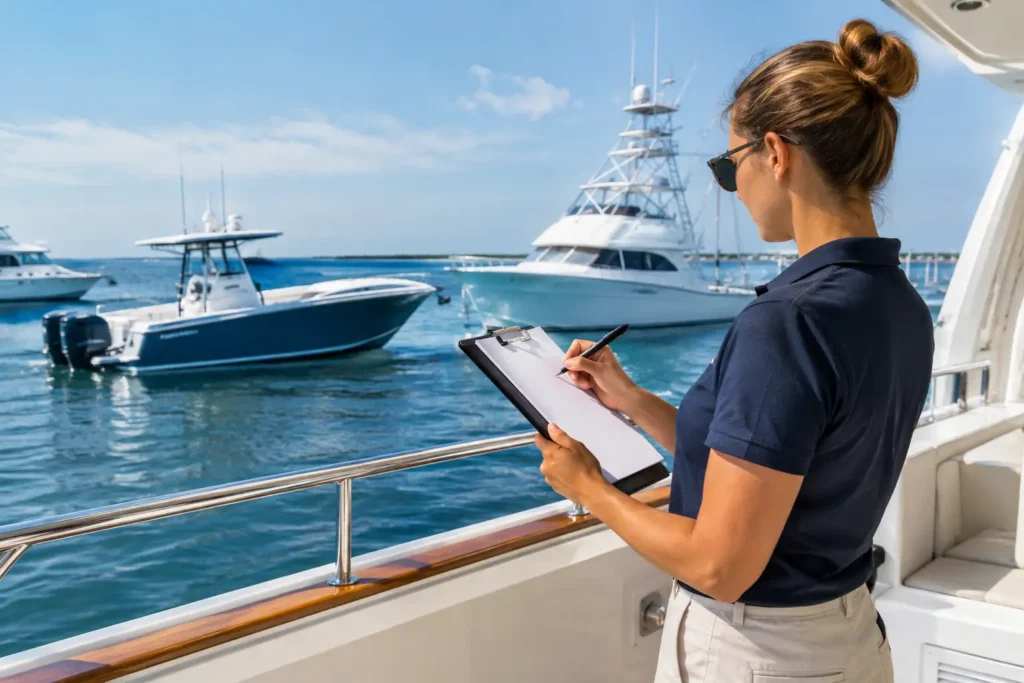
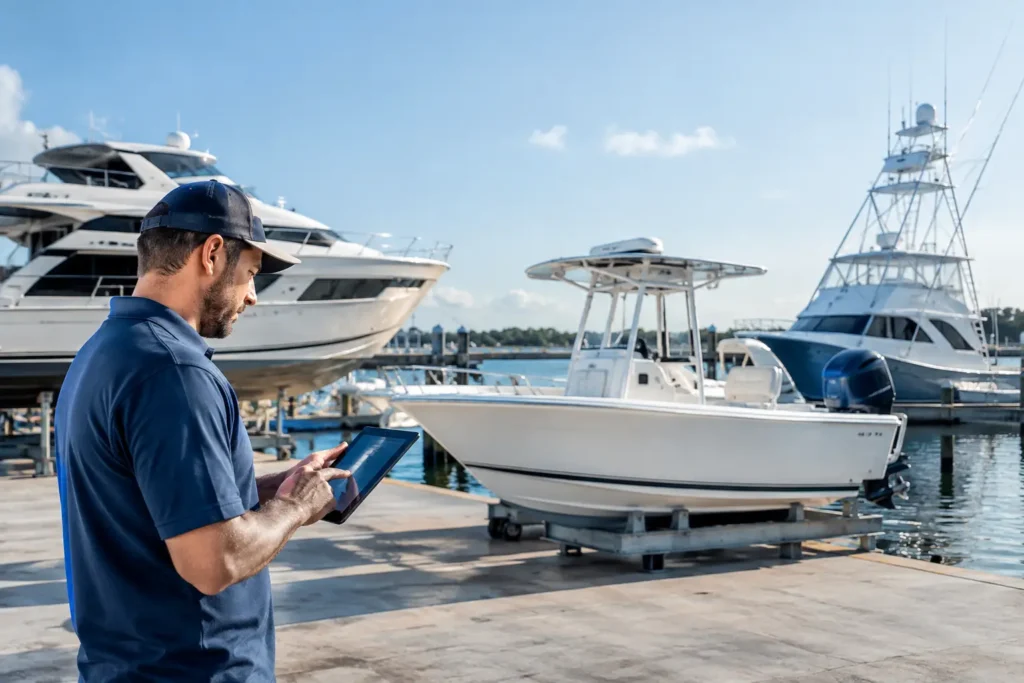
A 0600 watch change is not the time to discover that the generator service was logged in a notebook, the guest’s dietary update lives in a text thread, and the chief stew never received the revised itinerary. Crew planning tools exist to stop those small gaps from becoming operational failures. On a large yacht, the plan only works when every department can see the same current information and act on it from the dock, the engine room, or underway.
For captains and senior crew, the real question is not whether software can create a schedule. It can. The question is whether it helps the vessel run better when plans change, connectivity is limited, guests arrive early, or a critical piece of equipment throws an alarm halfway through a passage.
What Crew Planning Tools Need to Solve
A crew plan is more than a calendar. It is the working picture of who is responsible for what, when it needs to happen, what standard applies, and what has changed since the last handover. When those details are split between whiteboards, WhatsApp groups, paper checklists, spreadsheets, and individual memory, accountability gets fuzzy fast.
The strongest crew planning tools bring the daily operating picture into one place. That includes watchkeeping, task assignments, maintenance work, safety checks, crew records, guest preferences, inventory needs, fuel activity, and handover notes. Not every yacht needs every module on day one. A 90-foot owner-operated vessel has different needs than a 145-foot program with rotating crew and a full guest itinerary. But both benefit from one reliable record of the work.
This is especially true during turnover. A new deckhand should not have to hunt for the tender washdown procedure. A relief engineer should be able to see open defects, recent service history, parts ordered, and the next due items without starting from scratch. Good planning software turns vessel knowledge into an operating system instead of leaving it trapped with whoever is currently onboard.
The Difference Between a Schedule and an Operating Plan
A schedule says the crew starts at 0800 and the guests are ashore at 1100. An operating plan connects that timeline to the work required: tender readiness, provisioning, laundry, exterior detailing, bridge preparation, fuel status, dockage requirements, and maintenance windows.
That distinction matters because yacht operations are full of dependencies. If the itinerary changes due to weather, the bridge may need to adjust passage planning, deck may need to alter tender coverage, interior may need to reset service timing, and the engineer may lose an expected maintenance window. A calendar alone cannot make those connections clear.
Useful crew planning tools should let a captain or department head assign work by role, department, asset, and deadline. They should also make completion visible without requiring a meeting for every update. The goal is not to monitor people for the sake of it. The goal is to know that the liferaft inspection was completed, the guest cabin was prepared to the right standard, and the fuel log is current before it becomes someone else’s problem.
Features That Matter at Sea and at the Dock
Marine teams should be cautious about adopting generic workforce software and trying to force it into yacht operations. General tools can handle shift blocks and vacation requests, but they often fail where vessel work gets specific: equipment-based maintenance, recurring safety routines, handovers, guest operations, and mobile use around a working yacht.
When evaluating a platform, look for five practical capabilities:
- Mobile task execution: Crew should be able to receive assignments, update progress, attach photos, and close work from a phone or tablet. A system that only works at a desk will be ignored by people actually doing the work.
- Watchkeeping and handovers: The bridge needs a clear record of standing orders, navigation notes, weather concerns, defects, and items that require follow-up. Department handovers need the same discipline.
- Maintenance connected to planning: A task such as “service tender engine” should connect to the asset, service interval, parts used, labor history, and supporting documentation. Otherwise, it is just another unchecked line item.
- Guest and itinerary coordination: Preferences, allergies, activity plans, service notes, and itinerary changes should reach the crew members who need them without exposing sensitive details unnecessarily.
- Traceable records: Captains need to know who completed a check, when it was completed, what was observed, and whether an exception was escalated. This supports safer operations and cleaner reporting.
The best setup is usually not the one with the longest feature list. It is the one your crew can use correctly during a busy charter turn, a rough crossing, or a late-night repair.
Build Around Departments, Not Just Individuals
Assigning every task to one named person can create a false sense of control. Crew rotate, take leave, and move between priorities. Department-based planning gives the chief officer, chief stew, and chief engineer a clear view of their workload while preserving individual responsibility where it matters.
For example, a monthly safety equipment inspection may sit with deck as a department, then be assigned by the chief officer to a specific crew member. If that crew member is pulled into guest operations, the department head can reassign it without losing the deadline, checklist, or completion history.
This approach also helps captains spot workload problems before they become crew problems. If interior is carrying a heavy turnaround, a detailed guest event, and scheduled deep-cleaning in the same window, the issue is visible early enough to adjust priorities or bring in support.
Keep Recurring Work From Becoming Invisible
Recurring tasks are where informal systems often break down. Daily engine room rounds may happen reliably, but periodic equipment checks, seasonal service, drill preparation, and document renewals can drift when no one owns the next due date.
A planning platform should automatically surface recurring work based on time, engine hours, calendar events, or operating conditions. It should also distinguish between a task that is complete and a task that is deferred for a valid reason. Deferrals happen. Parts may be delayed, weather may prevent an inspection, or guest use may make an area unavailable. The record should show the reason and the new plan, not simply leave an overdue item hanging without context.
Make Adoption Part of the Plan
Even good software fails when it arrives as one more administrative burden. Captains should start with the workflows causing the most friction, not attempt to digitize every piece of yacht life in a single week.
A sensible first phase may focus on watch handovers, daily department tasks, and maintenance requests. Once those habits are established, add guest preference workflows, inventory controls, drill records, or more detailed reporting. The crew needs to see a direct return: fewer repeated questions, fewer missed details, cleaner handovers, and less time spent rebuilding information that already exists somewhere onboard.
The person entering data also needs to get value from it. If a deckhand reports a tender issue with a photo and short note, that entry should become a usable maintenance item for the engineer or captain. If the engineer logs a completed service, the next due date and equipment history should update automatically. That is how software earns its place onboard.
Yacht Logic approaches this from a captain-built perspective: spoken notes, photos, checklists, records, and equipment details should become usable operational data, not another pile of admin for the crew to manage.
Questions to Ask Before Choosing a Platform
Before committing, run the tool through actual operating scenarios. Ask whether it works on a mobile device in poor connectivity, whether a task can be tied to a specific asset, and whether handover notes remain easy to find weeks later. Confirm that permissions match your chain of command and that sensitive guest information can be limited to the right people.
Also ask how easily the system handles exceptions. A perfect plan is rare on the water. Your crew needs to reassign work, change due dates, flag a defect, add an urgent job, and document why a planned task did not occur. Software that only works when everything goes to plan is not built for yachting.
Finally, consider ownership of the data. Vessel records, maintenance history, crew knowledge, and operational notes have real value. The platform should make them searchable, exportable, and useful to the yacht over time, not bury them behind a vendor’s process.
The best crew planning system is the one your team opens before they ask, “Who was supposed to handle that?” When the answer is already clear, the yacht runs quieter, handovers get stronger, and the crew has more time to deliver the standard guests remember.
Experience more of the Yacht Logic App with a free demo – book your slot today!