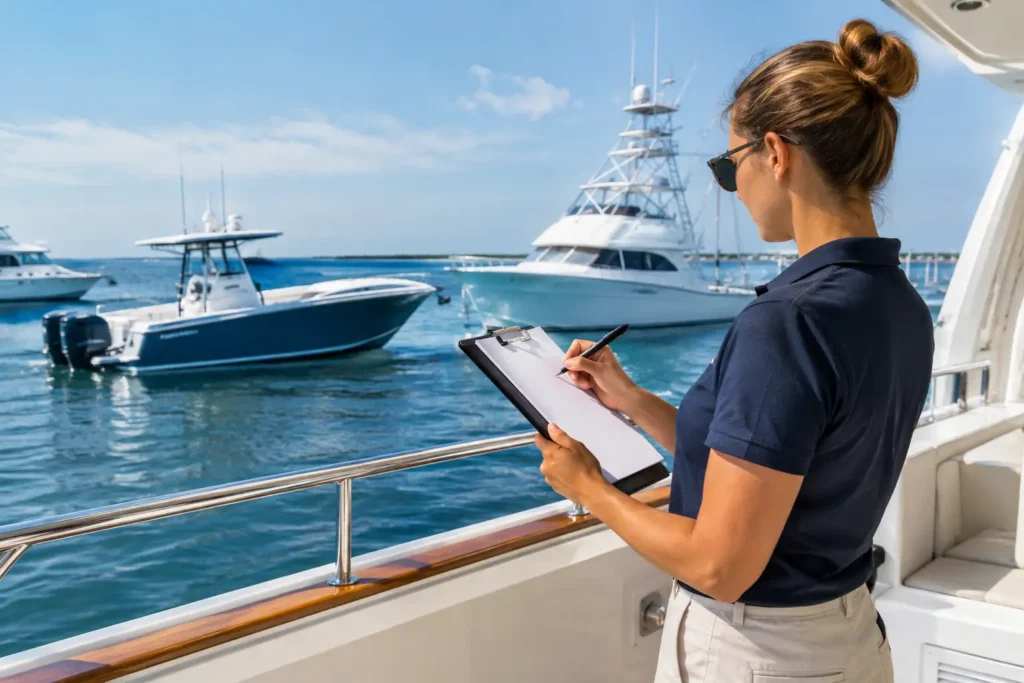
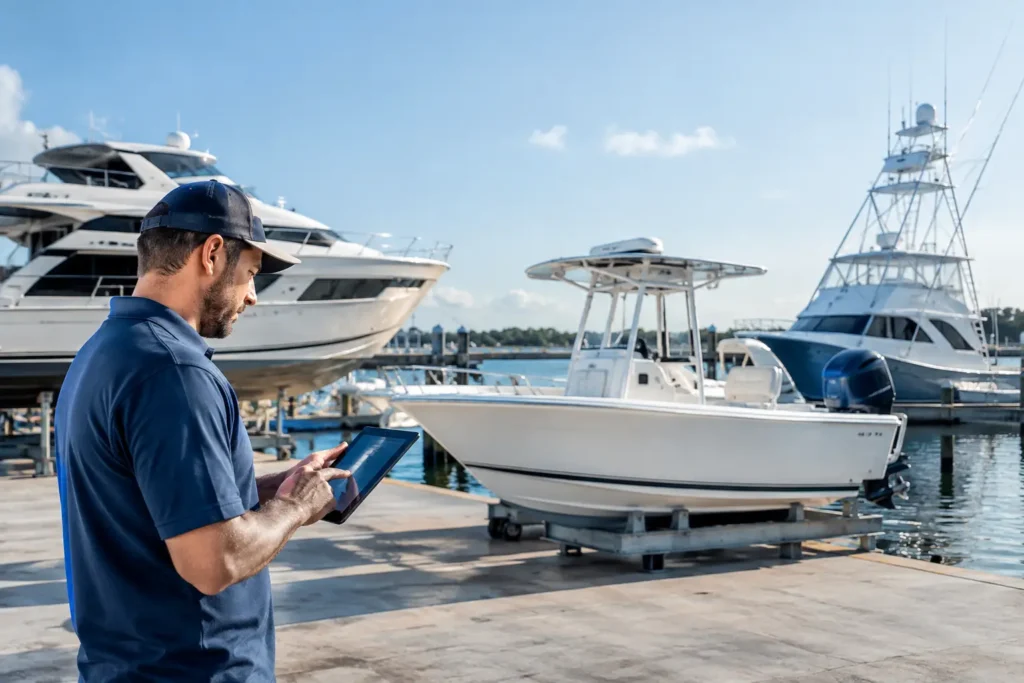
A captain should not have to reconstruct the day from text threads, paper notes, and a hurried conversation on the aft deck. Yet that is how small misses become bigger problems: a tender fuel level was mentioned but not logged, a guest allergy was passed verbally, or an engineer’s warning was never seen by the night watch. To streamline captain crew communication, the goal is not more messages. It is a clear operating rhythm where the right person gets the right information, with a record the whole vessel can trust.
On a busy yacht, communication is part of safety, service, maintenance, and crew morale. It has to work while underway, in a noisy engine room, during a turnaround, and when a crewmember is off duty. A system built for real vessel operations gives the crew fewer places to look, fewer details to repeat, and fewer opportunities for critical information to disappear.
Why Crew Communication Breaks Down
Most communication problems are not people problems. They are workflow problems.
A captain may issue an instruction in person, the chief stew may build a separate guest-preference list, and the engineer may keep maintenance notes in a spreadsheet that no one else opens. Each method works in isolation. Together, they create blind spots. The issue becomes more serious when the yacht is moving quickly between charters, ports, contractors, and provisioning runs.
Group chats are useful for immediate coordination, but they are a poor long-term vessel record. Messages get buried under photos, reactions, and unrelated updates. Paper logs are familiar, but they cannot notify the person who needs to act, show task status, or make handover details available from a phone at the dock.
The fix is not forcing every conversation into software. It is deciding what must be recorded, where it belongs, and who owns the next action.
Start With One Operational Source of Truth
The crew needs one shared place for operational information that cannot be lost. That includes watchkeeping notes, defects, maintenance tasks, inventories, safety items, guest preferences, fuel activity, and work assigned by the captain or department heads.
This does not mean every crew member needs access to every record. Guest-sensitive details, payroll information, and captain-only notes need appropriate permissions. But operational information should not live only in one person’s phone or memory.
A useful rule is simple: if the next watch, another department, or the captain may need it later, log it. A spoken update can handle the immediate moment. The written record carries it through the shift change.
For example, an engineer who notices a minor raw-water seep should not only mention it at dinner. The issue should be logged with the location, condition, photo if needed, and follow-up with the owner. The captain can then see whether it is monitored, scheduled, or resolved without chasing a status report.
Streamline Captain-Crew Communication at Handover
Handover is where operational discipline either holds or falls apart. The off-going watch has context. The oncoming watch needs the facts, the priorities, and any conditions that change what happens next.
A reliable handover should be short enough to complete every time and specific enough to be useful. It is not a replay of the entire watch. It is a transfer of responsibility.
For bridge, deck, interior, and engineering teams, the details differ. The standard should not. Each handover should clearly cover:
- Current vessel status, location, weather, and any navigational or berth considerations
- Open defects, alarms, safety concerns, and work that cannot wait
- Tasks in progress, the responsible person, and the next required action
- Guest schedule, preferences, special requests, and service changes
- Deliveries, contractors, fuel activity, or provisioning expected during the next watch
A digital watch log makes this process more dependable because the crew can review the prior entry before taking the watch and add updates as conditions change. The captain gets continuity without relying on a verbal chain that weakens with every shift.
There is a trade-off here. A handover form that asks for too much becomes paperwork nobody completes. Keep required fields limited to information that affects safety, operations, guest experience, or a pending decision. The rest can sit in the appropriate maintenance, inventory, or task record.
Make Task Ownership Visible
“Can someone handle this?” is one of the most expensive phrases on a yacht.
It sounds cooperative, but it creates ambiguity. Multiple people may assume another department owns it, or everyone may see it at the wrong time. For routine tasks and corrective work, each item needs one accountable owner, a due date or priority, and enough context to complete it without a second round of questions.
That does not mean one person does all the work. A chief officer may own a deck task while assigning steps to deckhands. An engineer may own a repair while waiting on a part or contractor. What matters is that the captain can see who is driving the item and whether it is blocked.
Use clear status labels such as open, in progress, waiting on parts, waiting on vendor, and complete. Avoid marking a task complete when it is only reported. A cracked locker latch is not resolved because someone noticed it. It is resolved when it has been repaired, tested, and documented.
Photos, voice notes, and equipment details reduce back-and-forth. A crewmember can capture a corroded fitting or a warning light where it is found, then turn that observation into a usable work order. That is the practical value of mobile-first operations: the record starts at the point of work, not hours later at a desk.
Set Communication Rules by Urgency
Not every update deserves the same channel. Without clear rules, crews either over-message everything or under-report the items that matter.
Urgent safety, navigation, medical, security, or machinery issues require direct escalation. Call or speak to the responsible officer immediately, then record the event once the situation is controlled. A logged task is not a substitute for a call when time matters.
Routine operational updates belong in the shared system, where they can be assigned and tracked. Informational messages, such as a completed laundry delivery or an updated florist ETA, may sit in the day plan or department notes. The crew should know the difference before a busy charter starts.
Captains also need to model this discipline. If the captain asks for updates through five different channels, the crew will follow suit. Pick the operating channel for each type of information and use it consistently.
Connect Guest Service With Vessel Operations
Guest-facing teams often carry the most time-sensitive information on board. A change in dietary preference, a tender departure request, or a favorite cocktail affects interior, galley, deck, and sometimes the bridge. If that detail stays in a private note, the crew loses the chance to deliver a coordinated experience.
Guest preferences should be easy to record and easy to find, while still protected from unnecessary access. The point is not to collect trivia. It is to preserve the details that improve service across rotations and repeat trips: allergies, mobility needs, activity preferences, cabin setup, children’s routines, and specific dislikes.
The same approach applies to the daily itinerary. When the captain, interior team, chef, and deck crew are working from the same current plan, changes are easier to absorb. If weather shifts a beach setup, the entire crew can see the revised timing and responsibilities instead of learning about it one conversation at a time.
Build Records Into the Work, Not After It
The fastest system is usually the one that removes duplicate entry. If a crew member logs fuel, that record should support the captain’s operational view and the engineer’s consumption history. If an item is scanned from inventory, it should help the department know what is on hand and what needs to be ordered.
This is where purpose-built marine software earns its place. Yacht Logic is built from the water up to turn vessel activity into usable records, whether that starts with a spoken request, a photo, a checklist, or an equipment detail. The crew should be able to work from a phone where the job happens, then leave a traceable record behind.
Do not try to digitize every legacy habit on day one. Start with the areas creating the most friction: watch handovers, defect reporting, maintenance assignments, and guest notes. Once the crew sees that updates save time instead of creating another admin task, adoption becomes much easier.
Keep the System Alive
Communication systems fail when nobody reviews them. The captain and department heads should spend a few minutes each day checking open priorities, overdue work, upcoming guest needs, and unresolved handover items. This is not a meeting for the sake of a meeting. It is a quick operational scan that prevents quiet issues from aging out of view.
Review recurring misses without blame. If tasks are regularly unassigned, the workflow needs a better intake point. If handovers are thin, the form may be too long or the team may need clearer expectations. If people keep returning to text messages, the shared tool may not be convenient enough on board.
The best crew communication system is rarely the most complicated one. It is the one the crew uses when the tender is late, the weather turns, guests change plans, and the next watch needs answers. Give every important update a home, give every task an owner, and let the vessel’s record work as hard as the crew does.