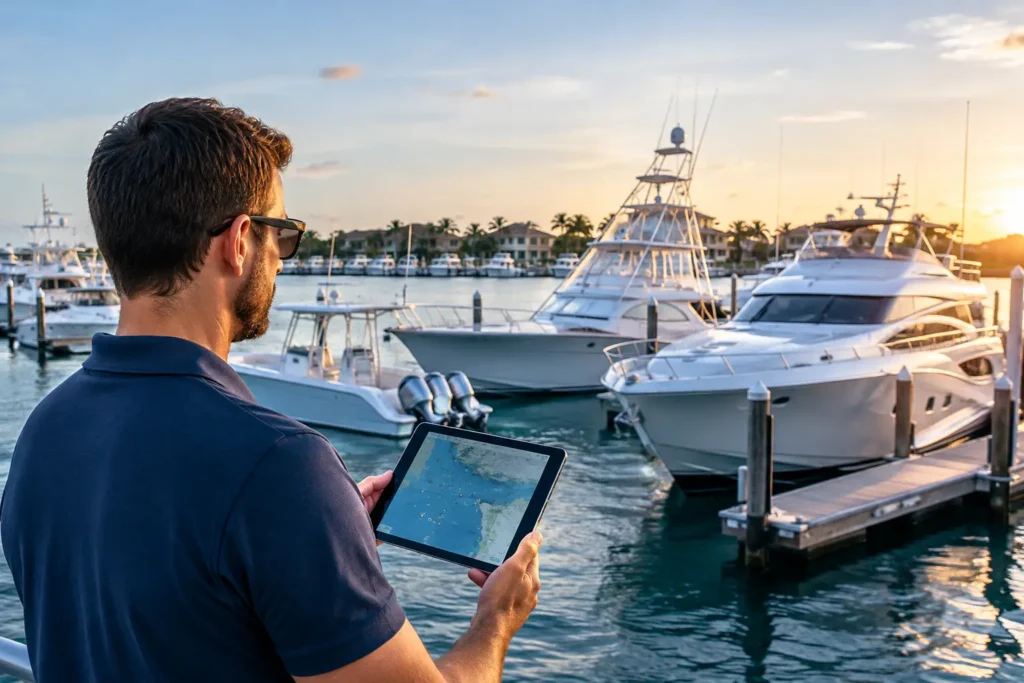
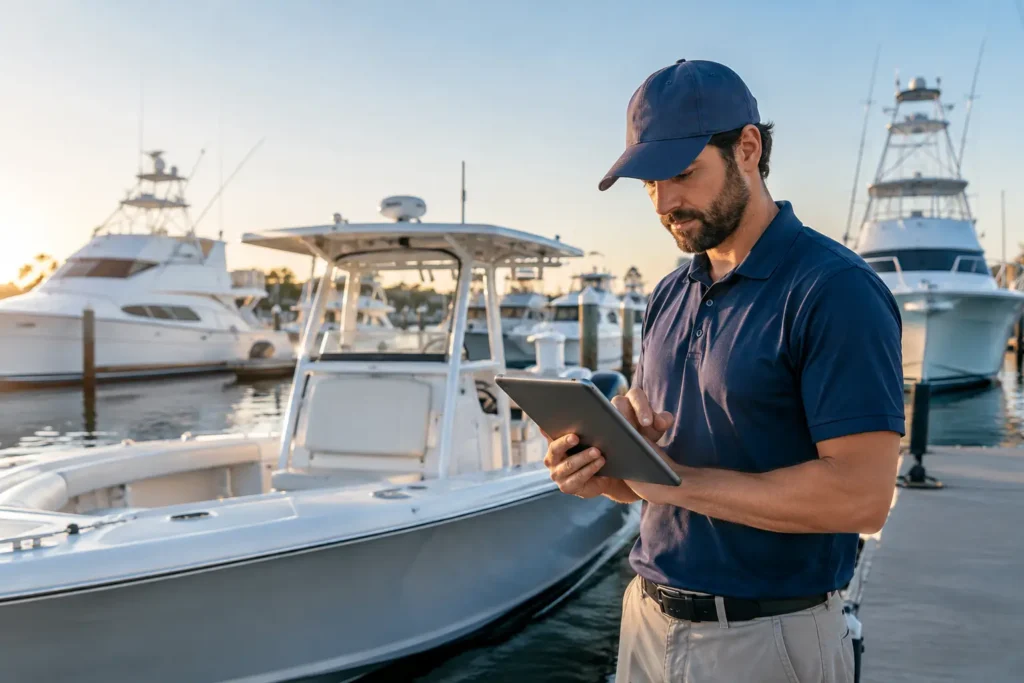
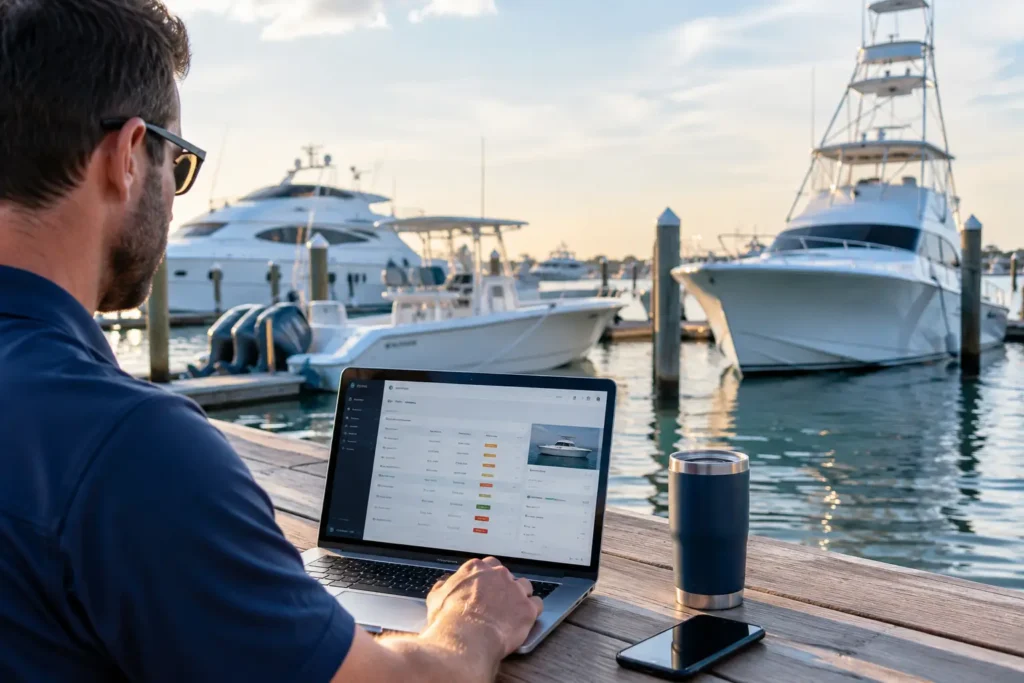
A captain standing in an engine room should not have to scroll through old email threads to find a service history. A chief stew should not need three spreadsheets to confirm guest preferences. And a technician should be able to turn a spoken fault report into a traceable job before leaving the dock. That is where the future of yacht operations is headed: less chasing information, more acting on it.
The change is not about putting more screens on boats. It is about replacing the handwritten logbook, disconnected app, paper work order, and end-of-week data entry ritual with records that move when the work moves. Built from the water up, the next generation of yacht operations software will make vessel knowledge usable in the moments that matter.
The Future of Yacht Operations Starts With One Source of Truth
Most vessels already generate a mountain of information. Engine hours, fuel figures, vendor invoices, maintenance schedules, crew notes, safety checks, guest requests, warranty documents, and photos of problems all exist somewhere. The problem is that “somewhere” is usually a mix of phones, binders, inboxes, shared drives, and the memory of the person who has been aboard the longest.
That system works until it does not. A crew change exposes missing context. A mechanical issue repeats because the prior repair is hard to locate. An owner asks what was spent during the season, and someone has to rebuild the answer from invoices. A boatyard receives incomplete instructions and loses time identifying the right part or the actual scope of work.
The operational standard is shifting toward a vessel-specific record that follows the boat, not an individual crew member or service provider. Hull IDs, engine plates, manuals, work history, inventory, and service records need to be accessible from the dock, the engine room, or a tender – with the right level of access for each person.
This is particularly valuable for vessels that move between Florida, the Bahamas, the Northeast, and the Caribbean through the year. A reliable record should travel better than a binder, and it should not depend on cellular service in one marina office.
AI Will Handle the Admin Work, Not the Captain’s Judgment
Artificial intelligence has earned its share of skepticism in the marine industry. That is fair. Boats are not generic assets, and a polished chatbot cannot diagnose a vibration through a screen or replace a captain’s judgment in deteriorating weather.
The useful role for AI is narrower and far more practical. It should reduce the administrative drag around known work. A crew member can photograph an invoice and have the system pull out the vendor, date, amount, and equipment reference. A technician can dictate, “Port generator overheating after 45 minutes under load,” and create a usable service ticket with the relevant vessel context. A captain can search prior records by symptom rather than remembering the exact wording used two seasons ago.
That means AI becomes an operations assistant, not an autopilot for decision-making. It can suggest a checklist, flag a missing document, organize a fault report, or match an inventory description to a catalog item. The person responsible for the vessel still verifies the result, decides the next action, and owns the outcome.
That distinction matters. In yacht operations, confidence without verification is a risk. The best systems will show the source record, preserve an audit trail, and make it easy for experienced crew and technicians to correct the data. Faster data entry is valuable. Traceable, trustworthy data is the real win.
Mobile Workflows Will Replace the End-of-Day Catch-Up
For years, marine software was designed around the assumption that work would be entered later at a desk. That assumption does not match the job. Work happens on swim platforms, in machinery spaces, on docks, in launch tenders, and halfway through a provisioning run.
The future is mobile-first because the work is mobile-first. A technician should be able to start a job, track time, scan a barcode, add parts, attach photos, and close out the work from a phone or tablet. A crew member completing a safety round should record exceptions while standing in front of the equipment. A captain should be able to review fuel logs and maintenance costs without waiting for someone to update a spreadsheet after shift change.
This does not mean every task belongs on a small screen. Complex planning, financial review, and detailed reporting are often better on a larger display. It means the first capture of information should happen where the information is created. The office view should build on dockside data, not force crews to recreate it later.
Inventory Will Become a Live Operational Signal
Inventory is one of the clearest examples. A parts room can look organized and still create expensive delays if nobody knows what is actually on hand, what has been committed to a job, or what needs to be reordered before departure.
Barcode-based tracking is becoming more common because it removes ambiguity. Instead of typing a partial part description after the fact, a crew member or technician can scan the item at the point of use. The system can connect that part to the work order, the equipment it supports, the cost, and the reorder threshold.
It depends on the vessel, of course. A 45-foot owner-operated boat does not need the same inventory controls as a 145-foot yacht with a full engineering department. But both benefit from knowing what was installed, when it was installed, and what it cost. Scalable operations matter more than one-size-fits-all features.
Connected Teams Will Reduce Handover Risk
A yacht is rarely operated by one group alone. Owners, captains, deck crew, engineers, interior crew, contractors, mechanics, marinas, boatyards, and management companies all touch the vessel record. Yet each group often works from a different version of events.
The next operating model will connect those people without giving everyone unrestricted access. A service provider may need the equipment details and job history for a specific repair. A captain may need full visibility into maintenance, budgets, and watchkeeping. Interior crew may need controlled access to guest preferences and provisioning details. The owner may only want a clear view of status, spending, and upcoming work.
Permission-based access is not just an IT feature. It is an operational tool. It helps crews share what is needed, protect sensitive information, and keep responsibility clear. It also makes handovers less dependent on informal conversations that can be forgotten during a busy turnaround.
Watchkeeping is another area where connected records matter. A log entry has greater value when it can be tied to weather conditions, location, machinery status, and any follow-up task. Rather than becoming another isolated note, it becomes part of the vessel’s operating history.
Better Data Will Change How Owners See Costs
Owners do not need more reports for the sake of reports. They need clear answers: What are we spending? What is driving that spend? Which maintenance is planned, and which costs were avoidable surprises?
When labor, parts, invoices, and maintenance activity are recorded consistently, cost control becomes more useful than a monthly total. Captains and managers can see repeat failures, compare vendor activity, identify equipment consuming disproportionate attention, and plan work before a small issue becomes a trip-ending one.
Two-way accounting connections will matter here, but only when the underlying job data is clean. Pushing incomplete work orders into an accounting platform simply moves the confusion downstream. The real value comes from connecting field activity to financial records without asking office staff to rekey every detail.
The Human Standard Will Remain High
Technology will not make yacht operations simple. Boats still operate in corrosive environments, parts still fail at inconvenient times, weather still changes plans, and guests still expect the experience to feel effortless. The future will belong to teams that use technology to protect time for judgment, preparation, and service.
That is the standard practical marine software should meet. It should work with gloves on, in poor signal, during a hectic dockside callout, and at the end of a long day when nobody wants another form to complete. It should make the right action easier without pretending that the vessel can run itself.
Yacht Logic is built in the bilge for exactly that kind of work: turning the details crews already manage into records they can use. The strongest operations will not be the ones with the most technology. They will be the ones where every person can find the right information, make the next decision, and get back to running the boat.